Electric Courier Vans Are Becoming a Bigger Part of UK Logistics
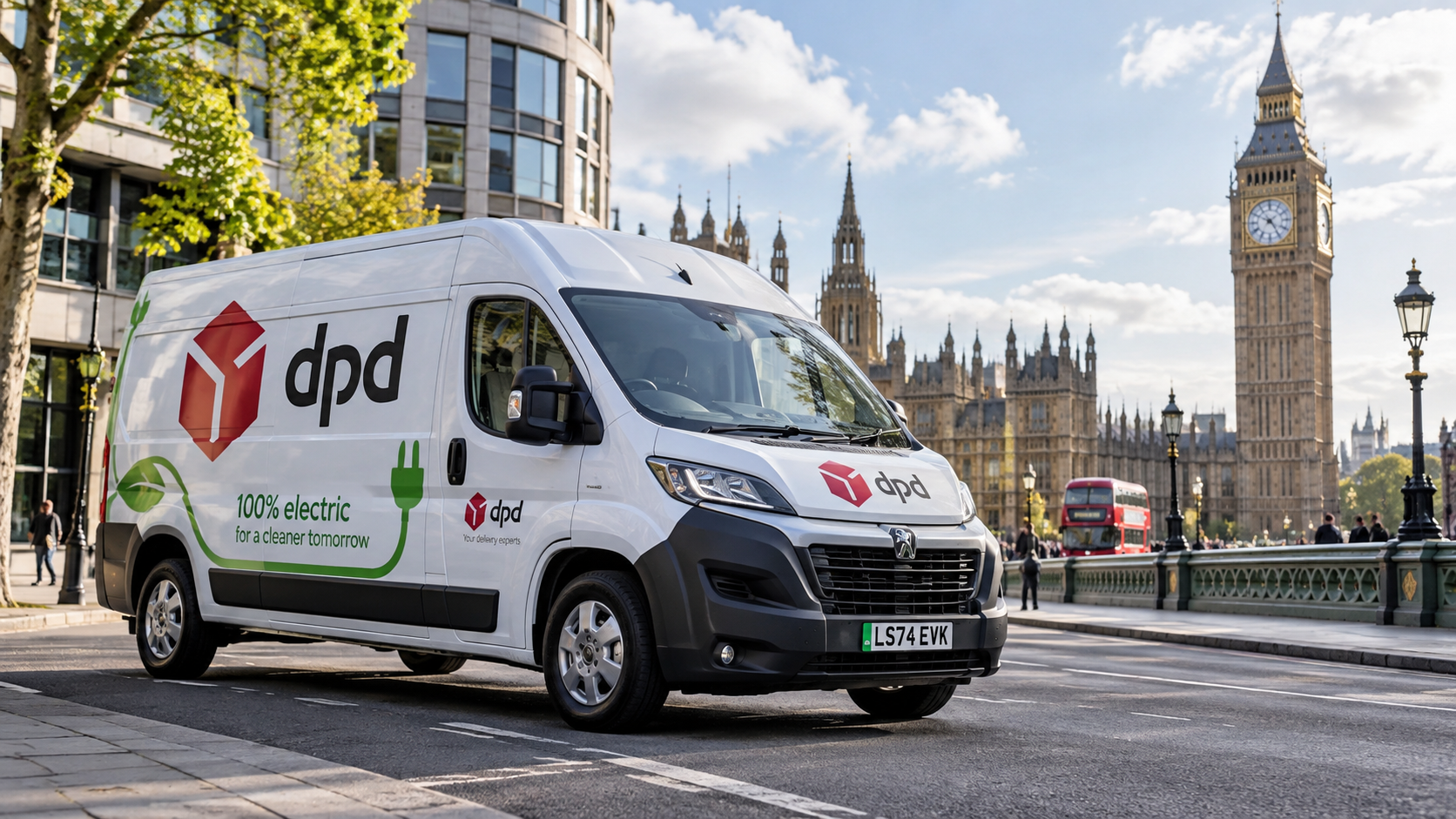
The shift towards electric commercial vehicles is accelerating across the UK courier market. DPD UK has announced that 341 new Mercedes-Benz eSprinter vans are being added to its operation, taking its electric vehicle fleet beyond 4,000 vehicles. The new vans are due to enter service across London and other parts of the UK, with the full batch expected to be operational before the peak Christmas delivery period.
For the UK courier and logistics industry, this is more than a fleet announcement. It demonstrates how quickly electric vehicles are moving from small urban trials into large-scale commercial delivery operations.
Why Electric Vans Matter for Last-Mile Delivery
Last-mile delivery is one of the most demanding parts of the logistics chain. Courier vehicles may make multiple stops, travel through congested city centres and operate for long hours every day.
Electric vans can be particularly well suited to some urban delivery routes because they offer zero tailpipe emissions and quieter operation. For businesses operating in high-density areas, electrification may also become increasingly relevant as customers and corporate procurement teams place greater emphasis on environmental performance.
DPD says its electric fleet already operates across more than 7,300 UK postcodes. The company also reported delivering more than 85 million parcels using electric vehicles during 2025.
These numbers suggest electric delivery is no longer limited to a handful of central London routes.
What This Means for UK Courier Companies
The transition will not look identical for every courier operator.
Large parcel networks can invest heavily in charging infrastructure, depots and hundreds of vehicles at once. Smaller and specialist courier companies may need a more flexible approach, particularly when serving long-distance routes, urgent same-day movements or heavier consignments.
The key issue is therefore not simply whether a van is diesel or electric. Operators need to consider vehicle range, payload, charging availability, route type, utilisation and total operating cost.
A short urban parcel route may be an ideal environment for an electric vehicle. A time-critical delivery covering hundreds of miles may create a completely different operational requirement.
That means successful fleet strategies are likely to involve matching the right vehicle and technology to the right job.
Sustainable Delivery Is Becoming a Commercial Issue
Sustainability was once treated largely as a corporate responsibility issue. Increasingly, it is becoming part of commercial decision-making.
Retailers, manufacturers and other businesses selecting logistics suppliers may want to understand how deliveries are being carried out, what emissions initiatives a carrier has in place and whether transport partners can support wider environmental objectives.
This creates an opportunity for courier businesses that can combine reliability with practical improvements in fleet efficiency.
However, sustainability cannot come at the expense of service quality. Customers still expect collections to happen on time, consignments to be handled correctly and deliveries to arrive when promised.
The strongest logistics operations will therefore be those that combine environmental improvements with dependable day-to-day performance.
Technology Is Changing More Than the Vehicle
Fleet electrification also creates wider operational changes.
Businesses need charging infrastructure, accurate route planning and visibility of vehicle availability. Dispatch teams must understand whether a vehicle has sufficient range for a particular job, while fleet managers need to think differently about downtime and charging schedules.
The result is that modern courier operations are becoming increasingly data-driven.
Routing software, live vehicle information, digital proof of delivery and efficient job allocation can all help companies make better use of their fleets, whether those vehicles are electric or conventional.
What Should Businesses Look for in a Courier Partner?
For customers, the latest developments are a reminder that the UK courier market is evolving quickly.
When choosing a delivery provider, businesses should consider more than headline pricing. Reliability, communication, vehicle suitability, geographical coverage and the ability to respond to urgent requirements all remain critical.
Environmental performance is becoming another consideration, particularly for organisations working towards their own sustainability objectives.
At the same time, not every transport movement can be handled in exactly the same way. Urgent same-day deliveries, pallets, business-critical equipment and longer-distance consignments may each require different vehicle and route decisions.
The Future of UK Last-Mile Delivery
DPD's expansion beyond 4,000 electric vehicles is another indication that fleet electrification is becoming a significant part of UK parcel logistics.
Over the coming years, more operators are likely to test how electric vans can be integrated into both urban and regional networks.
For the wider courier industry, the objective remains straightforward: move goods safely, efficiently and reliably while adapting to new technology and changing customer expectations.
For UK businesses, this means the courier sector of the future is likely to be cleaner, increasingly connected and more technologically sophisticated — while speed and dependable service remain just as important as ever.

About Us
At Vanguard Couriers we do things differently. We employ real people so there’s always someone at the end of the phone line. We offer a fast, reliable, and trusted same-day service nationwide.